Gossip Ghoul: A Playful Typeface for Halloween-Themed Web Design
Bringing Personality to Digital Layouts with Gossip Ghoul
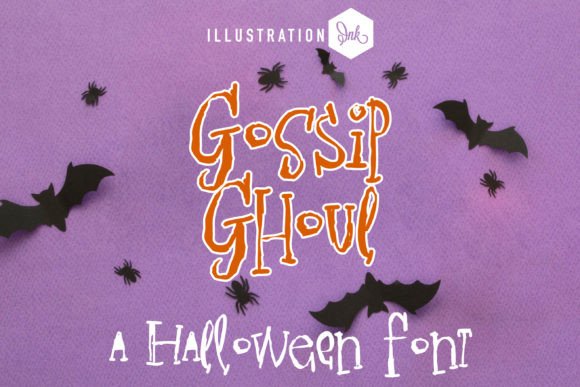
Gossip Ghoul is a script font that effortlessly blends whimsy with a touch of the eerie, making it ideal for Halloween-inspired web projects. Designed with a playful yet slightly spooky character, this font stands out in digital environments where thematic expression and brand personality are key. As a web designer, I’ve found that Gossip Ghoul works exceptionally well when used intentionally within a broader typographic system.
Its letterforms feature exaggerated curves and subtle shadowing, giving each character a lively, hand-drawn appearance. This makes Gossip Ghoul perfect for attention-grabbing headers, decorative accents, and seasonal branding elements. The font’s Script Amp style adds a dynamic visual rhythm that can elevate the tone of a website or digital product without compromising on legibility—when used correctly.
Best Use Cases for Gossip Ghoul in Web Design
While Gossip Ghoul shines as a decorative typeface, it performs best when applied to specific areas of a website rather than used throughout. Here are some practical applications:
- Hero Sections: Perfect for seasonal landing pages, especially around October. The font’s lively curves draw the eye and set the tone instantly.
- Call-to-Action Buttons: When used sparingly on short phrases like “Get the Look” or “Limited Time Only,” Gossip Ghoul adds flair without sacrificing readability.
- Blog Headers: Ideal for Halloween-themed content or creative blog titles that benefit from a bit of visual intrigue.
- Online Store Banners: Boutique shops selling seasonal items can use this font to highlight promotions or special offers.
- Logo Text: Especially effective for brands with a playful or spooky aesthetic, such as boutique Halloween shops or themed event websites.
Visual Hierarchy and Readability Considerations
As with any decorative font, Gossip Ghoul should be used with care to maintain visual hierarchy and ensure readability. It’s best suited for large text elements like titles and headlines where the design can be appreciated without overwhelming the user. On mobile screens, it’s crucial to test legibility—especially when used on dark backgrounds or image overlays.
I recommend using Gossip Ghoul for short phrases rather than long paragraphs. For body text, pair it with a clean sans serif or serif font to create contrast and maintain readability. This approach supports a balanced layout and ensures users can scan content efficiently.
Pairing Gossip Ghoul with Supporting Fonts
Font pairing is essential when integrating a unique typeface like Gossip Ghoul into a digital design. Here are some effective combinations:
- With a Sans Serif: Pairing Gossip Ghoul with a modern sans serif like Montserrat or Open Sans creates a clean, contemporary contrast that works well for seasonal landing pages or themed online stores.
- With a Serif Font: For more editorial or story-driven designs—such as a Halloween-themed blog or storytelling app—pairing Gossip Ghoul with a serif like Merriweather enhances the narrative tone.
- Minimalist Branding: If you're building a brand kit with a strong seasonal identity, use Gossip Ghoul for logo accents or promotional graphics, and a minimalist font like Lato for all supporting content.
Technical Considerations for Web Use
When using Gossip Ghoul in digital projects, always check the available file formats and webfont support. Most modern fonts include WOFF and WOFF2 formats, which are optimized for web performance. Also, look for alternate glyphs and ligatures that can add variety to headlines without repeating the same letterforms.
Make sure the font supports the languages you need, especially if your audience is international. While Gossip Ghoul is primarily a display font, having multilingual coverage ensures consistency across global brand assets.
Practical Design Tips for Different Digital Contexts
Here are a few tailored use cases that demonstrate how Gossip Ghoul can be integrated into various digital products:
- Creative Portfolio Sites: Use Gossip Ghoul for your portfolio’s Halloween-themed project titles or as a decorative accent in your “About” section.
- Boutique Online Stores: Apply it to limited-time banners, product names, or holiday-themed pop-ups to capture attention and reinforce seasonal branding.
- Coaching or Course Sales Pages: If your niche is themed around creativity or seasonal content (e.g., “Halloween Writing Prompts”), Gossip Ghoul can make your headlines more engaging.
- Brand Identity Kits: Include Gossip Ghoul as a seasonal alternative in your brand’s typography guidelines, especially for digital assets like social media graphics and email headers.
Readability on Mobile and Responsive Layouts
Mobile optimization is critical when using decorative fonts. Gossip Ghoul works best when scaled appropriately for smaller screens. Avoid using it in navigation menus or small buttons. Instead, reserve it for larger, visually impactful areas like hero titles or section dividers. Always test how the font renders on both light and dark backgrounds, and consider using subtle text shadows or outlines when placing it over images.
Licensing and Commercial Use
Before embedding Gossip Ghoul into a live website or client project, verify the font’s licensing terms. Many decorative fonts are sold under commercial licenses that allow use in web design, online stores, and digital templates. Always ensure you have the proper permissions to avoid legal issues, especially when delivering work to clients or using the font in downloadable brand kits.
Final Thoughts: When to Choose Gossip Ghoul
Gossip Ghoul is more than just a novelty font—it’s a carefully designed typeface that brings character and seasonal charm to digital design. Whether you’re building a themed landing page, an online boutique, or a seasonal campaign, Gossip Ghoul offers a unique way to connect with your audience through typography.
Use it thoughtfully, pair it wisely, and apply it where it will have the most visual impact. Done right, Gossip Ghoul becomes more than a font—it becomes a memorable part of your brand’s digital presence.