Marley Garden: A Quirky Handwritten Font for Playful Branding Projects
Testing Marley Garden on a Bakery Branding Project
I recently opened a blank brand board for a local artisan bakery looking for a fresh, approachable identity. The brief called for warmth, personality, and a touch of whimsy—perfect conditions for testing a script font like Marley Garden. I dropped it into the logo draft first, curious to see how its bouncy baseline and exaggerated swashes would read in a real-world context.
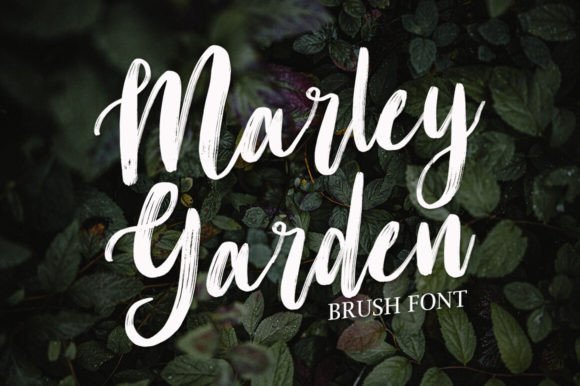
Right away, Marley Garden stood out. It’s not your typical clean script—it’s more expressive, more playful, and definitely more character-driven. The font has that "handwritten with a wink" vibe, like someone just scribbled the name on a bakery window with a piece of chalk. I appreciated the 150+ alternate glyphs included—those little flourishes gave me enough flexibility to tweak the logo until it felt just right.
Visual Personality and Glyph Variety
What makes Marley Garden work so well in certain branding contexts is its personality. It’s a script amp font, meaning it blends elements of both script and decorative display styles. The letterforms feel organic and slightly irregular, giving the font that “human touch” that many modern brands are chasing.
The glyph variety is impressive. From swash-heavy capital letters to playful lowercase alternates, there’s a lot to explore. I found myself toggling between different versions of the “g” and “y” when designing the bakery’s packaging mockup. Each alternate gave the wordmark a slightly different emotional tone—some felt more elegant, others more casual or rustic.
Performance Across Branding Assets
I tested Marley Garden across several branding deliverables:
- Logo Design: Worked beautifully at larger sizes. The flourishes gave the bakery’s name a sense of movement and energy.
- Packaging Mockup: On a mockup of a cookie box, the font read clearly and added a sense of warmth and approachability.
- Business Card: At smaller print sizes, some of the finer details got lost, especially in the ligatures. I had to simplify the design for legibility.
- Website Header: As a webfont, Marley Garden rendered well, though I wouldn’t recommend it for long headlines or navigation menus.
- Social Media Layout: On Instagram stories and Facebook headers, the font really shined—its personality came through loud and clear.
Overall, Marley Garden performed best as a display font. It’s ideal for headlines, logo concepts, and short-form text where visual impact matters more than readability at a distance or in small sizes.
Best Use Cases and Limitations
While Marley Garden is a versatile font for creative branding, it’s not a one-size-fits-all solution. It works best when used as an accent or headline font—especially in projects that benefit from a hand-crafted, informal tone.
I wouldn’t recommend using it for:
- Body text in editorial design
- Small print applications like business cards or product tags
- Formal corporate identities or financial brands
- Long-form web content or mobile navigation
Its quirky nature is also a double-edged sword. While it brings charm and memorability, it can feel out of place in more serious or minimalist design systems. That said, for the right brand—like a boutique café, handmade shop, or creative studio—it’s a dream.
Font Pairing and Typographic Harmony
Pairing Marley Garden with a supporting typeface is essential for balance. I used a clean sans serif (like Montserrat) for subheadings and body copy, which grounded the design and gave the eye a place to rest.
For a more elegant contrast, pairing with a serif like Playfair Display also worked well—especially on printed materials like packaging labels and greeting cards. Just remember: since Marley Garden is so expressive, the supporting font should be simple and restrained to maintain visual hierarchy.
If you’re working with other script fonts in your brand system, be cautious. Too many flourishes can clash. Stick to one expressive font per layout and let the others play supporting roles.
Technical Considerations and Licensing
From a technical standpoint, Marley Garden comes with solid support for designers. The package includes multiple file formats, webfont versions, and comprehensive glyph sets—including multilingual support for European languages. That’s a big plus if you’re designing for international clients or planning to use the font on global websites.
Before using Marley Garden in any client work, especially commercial design assets like packaging or templates, always double-check the licensing terms. Some font licenses restrict use in merchandise or print-on-demand products, so it’s better to confirm upfront than face issues later.