Home Tree Font Review: A Nostalgic Script for Warm Brand Identities
It was a rainy Tuesday morning when I opened a new brand board for a local artisanal bakery looking for a visual refresh. The brief mentioned warmth, tradition, and nature-inspired design elements. I needed a font that could carry that emotional tone without feeling overly whimsical. That’s when I decided to test Home Tree, a script font from the Script Amp category, on the logo draft and supporting brand elements.
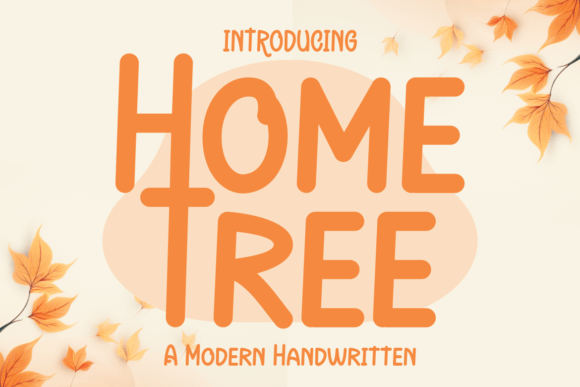
Home Tree immediately stood out with its soft curves, delicate strokes, and gentle dimensionality. It’s a font that feels like a handwritten note passed between friends — not too formal, but still refined. The character shapes mimic the changing seasons, with subtle flourishes that evoke falling leaves and autumn warmth. It’s not a loud font, but it definitely speaks with a warm, personal tone.
Testing Home Tree in Real Branding Contexts
I started with the logo. I placed the bakery’s name in Home Tree over a textured kraft paper background. The result was instantly inviting — it felt like a fresh loaf of sourdough: handmade, comforting, and familiar. I tried a few alternates included in the font package and found one with a slightly longer tail on the final letter that gave the logo a touch more elegance without overdoing it.
From there, I moved to packaging mockups. The bakery wanted to redesign their pastry boxes and labels. I used Home Tree for the product name and flavor descriptions. At a medium size, the font held up well, especially when paired with a clean sans serif for supporting text. The contrast between the soft script and the modern sans serif helped establish a clear visual hierarchy while keeping the overall look cohesive.
Where Home Tree Shines — And Where It Needs Support
Home Tree is best suited for display use — think logos, headlines, social media headers, and short phrases. It works beautifully in brand identities that aim to evoke nostalgia, craftsmanship, or organic simplicity. I used it on a homepage hero section for a wellness blog and it brought a softness that balanced the bold imagery and bright accent colors.
However, I wouldn’t recommend it for long body text or small print. The delicate strokes and flourishes can become hard to read at smaller sizes or in low-resolution formats. It’s also not ideal for formal corporate branding or technical documentation where clarity and neutrality are key. Think of Home Tree as the emotional anchor of your design, not the workhorse.
Pairing and Practical Design Tips
When pairing Home Tree with other typefaces, I found that it works best with a strong supporting cast. For example, combining it with a serif like Playfair Display or a clean sans serif like Lato created a balanced, modern yet nostalgic aesthetic. It can also hold its own next to other script fonts if used sparingly and with careful spacing.
Before finalizing, I always test fonts across multiple mediums. I dropped Home Tree into a business card layout, an Instagram post template, and a product label mockup. It looked great on all of them, especially when the background wasn’t too busy. I also checked the webfont version for load speed and cross-browser consistency — it performed well, which is a big plus for digital-first brands.
One practical note: always check the licensing before using Home Tree in commercial work. Make sure it’s cleared for use in brand identities, packaging, merchandise, and digital products if that’s part of your client’s scope. Some script fonts come with limited licenses, and you don’t want to find out after the launch that you need to repurchase or replace it.
Final Take: A Thoughtful Addition to Your Font Library
Home Tree isn’t a one-size-fits-all font, but it’s a beautiful choice when you need to inject warmth, personality, and a touch of nostalgia into a brand. Whether you’re designing a boutique logo, crafting packaging for handmade goods, or creating a cozy website header, this script font delivers a soft, emotional tone that connects with audiences.
As a designer, I appreciate fonts that feel intentional and expressive without being over the top. Home Tree lands in that sweet spot — it’s versatile enough for multiple creative applications, but still has a distinct personality. If you’re working on a project that calls for a handwritten feel with a sense of history and nature, give Home Tree a try. Just remember to pair it wisely, test thoroughly, and license appropriately.